
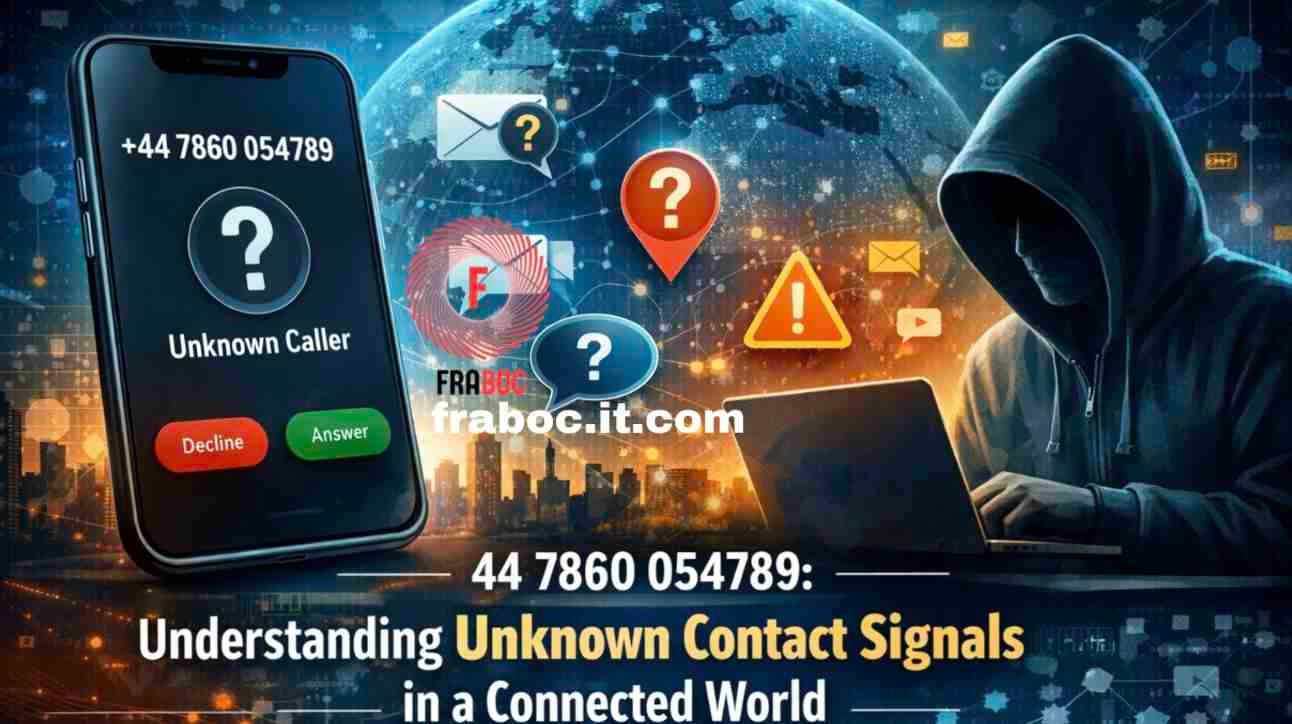
In today’s hyper-connected environment, people frequently encounter unfamiliar phone numbers that spark curiosity, concern, or caution. One such example is +44 7860 054789, a format that highlights how global communication networks allow interactions across borders instantly. Whether you’re receiving a missed call, a message, or simply researching unknown contact patterns, understanding how to interpret digital contact identifiers has become an essential skill. This article explores awareness strategies, communication safety, and digital literacy practices related to recognizing unfamiliar numbers in a responsible, human-centered way.
The Growing Importance of Contact Awareness
Digital communication has reshaped everyday interaction. Mobile connectivity, caller ID technology, and messaging platforms enable instant outreach, but they also require users to remain alert and informed. When people notice unfamiliar identifiers such as +44 7860 054789, they often turn to online research or reverse lookup tools to verify authenticity.
This process reflects a broader trend: digital awareness is no longer optional. Concepts like caller verification, telecommunication routing, and number portability are now part of routine digital life.
Practical Steps for Everyday Users
Users can adopt simple habits to protect themselves:
- Check number structure and origin prefix
- Avoid responding immediately to unknown contacts
- Use device-based spam filters or reporting tools
- Maintain updated privacy settings
Such measures support safe communication while maintaining confidence in modern connectivity.
Recognizing Number Structures and Prefix Signals
Phone numbers often follow internationally recognized patterns. Learning to interpret country codes, regional signals, and network identifiers helps individuals better understand unknown outreach attempts. For example, encountering +44 7860 054789 demonstrates how number formatting alone can reveal structural clues that guide decision-making.
Understanding telecommunication basics improves digital literacy by encouraging thoughtful responses rather than impulsive reactions.
Interpreting Global Number Formats
Breaking down number elements can provide insights:
- Country or network prefix
- Subscriber segment
- Routing identifiers
- Service allocation categories
This awareness contributes to informed communication choices without relying on speculation or fear.
Digital Safety and Responsible Communication
Maintaining safety within connected ecosystems involves balancing openness and caution. Unknown contact points sometimes represent legitimate outreach, but they can also indicate automated campaigns or unintended communication overlaps.
Seeing entries like +44 7860 054789 reinforces the need for mindful engagement. Rather than reacting emotionally, individuals benefit from structured evaluation and verification.
Digital safety principles include:
- Practicing data protection awareness
- Avoiding disclosure of personal details
- Documenting unusual contact attempts
- Utilizing built-in device reporting features
These habits create a more resilient and informed digital environment for everyone.
The Human Side of Digital Curiosity
Technology may shape communication channels, but human curiosity remains the driving force behind exploration. When someone encounters +44 7860 054789, their instinct to investigate reflects natural concern for security, connection, and clarity.
Human-centered digital literacy recognizes that users are not simply technical participants — they are individuals seeking reassurance and understanding. Encouraging thoughtful evaluation instead of alarm promotes emotional comfort and confidence in digital spaces.
Incorporating empathy into communication awareness helps transform uncertainty into learning opportunities. It also supports responsible engagement with global networks that continue to expand each year.
Future Trends in Communication Identification
The future of communication transparency is evolving rapidly. Artificial intelligence filtering, identity verification layers, and predictive analytics are improving user confidence in identifying contacts. Systems are increasingly capable of analyzing number behavior patterns and categorizing unknown outreach efficiently.
References to identifiers such as +44 7860 054789 illustrate how evolving systems adapt to handle globalized contact flows. The next generation of digital tools may include:
- Smart context-aware alerts
- Behavioral pattern recognition
- Enhanced reporting integration
- Automated trust scoring mechanisms
As these advancements mature, individuals will experience greater clarity and reduced uncertainty when interacting within digital ecosystems.
FAQ Section
Q1: Why should I research unfamiliar phone numbers?
A: Research builds awareness, helping you determine whether a contact is relevant, accidental, or requires caution.
Q2: What basic action should I take before responding?
A: Pause, verify details, and evaluate context before engaging or returning communication.
Q3: Can number structure reveal useful information?
A: Yes, prefixes and formatting often provide clues about routing or origin patterns.
Q4: Is digital awareness important for everyday users?
A: Absolutely. It strengthens communication confidence and improves online safety habits.
Q5: How will future tools assist in identification?
A: Emerging technologies will automate analysis and provide clearer contextual insights for users.
Conclusion:
Modern connectivity continues to redefine how individuals interact across distances. Encountering unfamiliar identifiers is now a common experience, and responding thoughtfully reflects strong digital awareness. By understanding number structures, practicing safety habits, and embracing evolving identification tools, individuals can navigate communication channels confidently.
Ultimately, awareness surrounding identifiers like +44 7860 054789 highlights a broader truth: technology works best when paired with informed human judgment. Staying curious, cautious, and informed ensures communication remains both productive and secure in an increasingly connected world.