

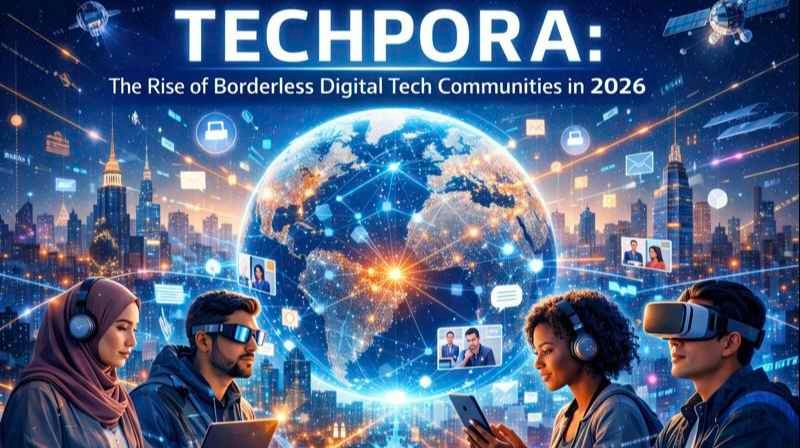
The global tech landscape is evolving faster than ever, and a new term is gaining momentum across innovation circles: techpora. This concept captures a powerful shift—technology professionals, creators, founders, and digital workers forming interconnected communities beyond geographical boundaries. In 2026, tech pora represents not just remote collaboration, but an entire ecosystem where skills, ideas, startups, and digital economies flow freely across countries.
From developers in South Asia collaborating with AI researchers in Europe to startup founders building globally from day one, the world is witnessing the emergence of a decentralized technology diaspora powered by digital infrastructure.
Understanding the Meaning of Techpora
At its core, techpora blends “technology” and “diaspora.” Traditionally, diaspora referred to people dispersed from their homeland. In today’s digital era, tech professionals are no longer tied to physical hubs like Silicon Valley, London, or Berlin. Instead, they operate in distributed networks—sharing knowledge, building products, launching ventures, and influencing global markets from anywhere.
This shift is driven by:
- Remote-first work culture
- Global freelance marketplaces
- Cloud collaboration tools
- AI-powered productivity
- Borderless startup ecosystems
The term highlights how talent is migrating digitally rather than physically.
Why Techpora is Growing Rapidly in 2026

The rise of tech-based communities is not accidental. Several forces are accelerating the growth of the global tech pora:
Remote Work Normalization
Companies now hire globally without requiring relocation. Engineers, designers, and product managers work across time zones as part of distributed teams.
Startup Globalization
New startups are built for international markets from day one. Founders collaborate with overseas developers, investors, and mentors seamlessly.
Digital Nomad Infrastructure
Countries are offering tech visas and remote-friendly policies, enabling tech workers to stay mobile while staying connected.
AI and Automation Tools
AI coding assistants, automated workflows, and collaborative platforms reduce dependency on local teams.
Together, these factors are forming a tech diaspora that operates like a global digital village.
How Techpora is Transforming the Technology Industry
The influence of this distributed network is reshaping how technology is created, funded, and scaled.
Decentralized Innovation
New ideas are no longer born only in major tech capitals. Innovation now emerges from smaller cities and developing regions.
Global Talent Accessibility
Companies access specialized skills worldwide, improving diversity and lowering hiring barriers.
Cross-Border Product Development
Apps and platforms are designed with multicultural audiences in mind from the start.
Knowledge Flow Without Borders
Open-source communities, global hackathons, and tech forums accelerate shared learning.
This transformation is creating a level playing field where location matters less than expertise.
The Role of Digital Platforms in Building Techpora
Technology itself is enabling the growth of these borderless communities.
Collaboration Tools
Platforms like Git-based workflows, cloud IDEs, and project management systems connect developers globally.
Online Tech Communities
Discord servers, Slack groups, developer forums, and virtual meetups create strong digital bonds.
Global Learning Ecosystems
EdTech platforms, coding bootcamps, and remote mentorship programs are training tech talent across regions.
Creator & Developer Economy
Tech creators build audiences worldwide through YouTube, blogs, SaaS tools, and open-source projects.
These platforms act as bridges, turning isolated tech workers into interconnected contributors.
Opportunities and Challenges Within Techpora
While the rise of distributed tech communities brings massive benefits, it also introduces new complexities.
Opportunities
- Global job access for skilled professionals
- International startup funding
- Collaborative innovation across cultures
- Faster product iteration cycles
- Reduced reliance on physical tech hubs
Challenges
- Time zone coordination
- Payment and legal complexities
- Data security across jurisdictions
- Cultural communication gaps
- Market saturation in remote roles
Despite challenges, the momentum continues to grow as technology removes traditional barriers.
FAQ’s
Q. What does tech pora mean?
- It refers to globally distributed technology professionals forming digital communities beyond national borders.
Q. Is techpora related to remote work?
- Yes, remote work is one of the major drivers behind its growth.
Q. Who is part of the techpora?
- Developers, designers, startup founders, tech creators, digital freelancers, and remote tech teams worldwide.
Q. Why is techpora important in 2026?
- It decentralizes innovation and enables global collaboration without needing physical relocation.
Q. Does tech pora benefit startups?
- Absolutely. It allows startups to access talent, funding, and markets globally from the beginning.

Conclusion:
The rise of techpora signals a new era in the global technology ecosystem—one where innovation is no longer limited by geography. As remote work, AI tools, cloud platforms, and digital communities continue to expand, tech professionals are building a truly borderless network of collaboration and opportunity.
In 2026, success in technology is increasingly defined not by location, but by connection, adaptability, and participation in this growing digital diaspora. The world is no longer divided into tech hubs and non-tech regions; instead, it is becoming one interconnected tech-driven community powered by the unstoppable force of tech pora.