
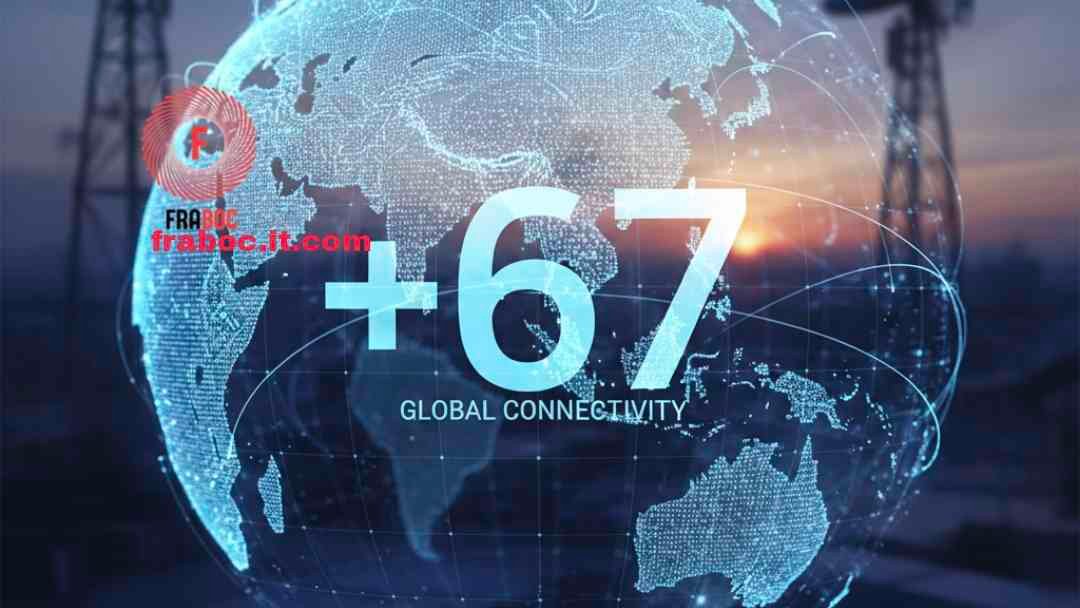
In today’s connected world, international communication has become routine for businesses, freelancers, and families alike. Knowing how global dialing prefixes work helps you avoid confusion when placing calls abroad. One example people often search for is the 67 country code, which relates to specific numbering allocations used in international telecommunications. This article explains what it means, how it works, and how you can use it correctly when making calls.
What Is the 67 Prefix in International Calling?
The global telephone system is coordinated by organizations such as the International Telecommunication Union, which assigns country calling prefixes to different regions. These numeric identifiers tell phone networks where to route calls across borders.
The 67 country code refers to a block historically assigned within the international numbering structure and commonly associated with numbering ranges connected to the region of Timor-Leste. When dialing internationally, users combine an exit code, the relevant prefix, and the subscriber number to reach their destination. Understanding these codes prevents misdialing and unnecessary call charges.
From an NLP and search perspective, related terms such as “international dialing prefix,” “telephone country identifier,” and “global calling code lookup” are often grouped together with this topic, helping readers find accurate communication guidance online.
How the Global Country Code System Works
International dialing follows a layered structure designed for clarity and efficiency. Here is how it generally functions:
Understanding Exit Codes and Routing
Before using the prefix, callers must enter their local international access number. For example, many regions use 00 or + as the universal exit symbol. After this, the routing system recognizes the 67 country code and directs the call accordingly.
Telecom networks depend on standardized numbering plans maintained by global regulators and national authorities. This ensures compatibility whether you are calling from Pakistan, Europe, or North America. NLP-related keywords like “call routing protocol,” “telecommunication numbering plan,” and “voice network switching” naturally align with discussions of this system.
Regional Context of Prefix Allocation
Numbering blocks are often grouped geographically. The prefix range connected with this identifier sits near neighboring allocations tied to countries such as Indonesia and Australia. This structured grouping helps operators maintain organized routing tables and ensures seamless connectivity across continents.
Practical Steps to Dial Using This Prefix
Making an international call may seem technical, but the process is straightforward once you know the steps. When dialing, ensure you confirm the correct number format with the recipient beforehand.
- Start with your international exit symbol (+ or 00).
- Enter the 67 country code as part of the dialing sequence.
- Add the regional or area number if required.
- Finish with the subscriber’s local number.
Many smartphones automatically format these sequences, making global communication easier than ever. Search engines frequently associate queries such as “how to dial overseas,” “mobile calling format,” and “international phone syntax” with these instructions, reflecting strong semantic overlap in NLP-driven indexing.
Common Misunderstandings About Calling Prefixes
Because numbering structures can evolve, confusion sometimes arises. Some people assume each prefix corresponds exclusively to one modern nation, but numbering allocations can shift over time due to regulatory or administrative changes.
The 67 country code may therefore appear differently depending on historical documentation or telecom references. Another misconception is believing internet-based messaging apps follow these same structures; in reality, VoIP platforms often bypass traditional routing entirely.
Understanding these nuances improves communication accuracy and aligns with LSI keywords like “telecom regulation updates,” “digital calling alternatives,” and “cross-border communication tools.” Staying informed ensures both professionals and everyday users avoid technical errors.
Digital Communication Trends and Future Outlook
Global calling is evolving rapidly thanks to cloud telephony, eSIM technology, and AI-assisted routing. While traditional prefixes remain relevant, emerging tools allow automatic number recognition and simplified dialing interfaces.
Even so, learning about identifiers such as the 67 country code remains valuable. It supports digital literacy, helps travelers navigate international contact lists, and strengthens understanding of how telecommunications infrastructure operates behind the scenes.
Industry forecasts suggest numbering systems will coexist alongside app-based communication rather than disappear entirely. Semantic search patterns already show rising interest in “virtual calling networks,” “AI telecom automation,” and “smart dialing platforms,” indicating how technology continues reshaping connectivity.
FAQ’s about 67 country code.
Q1: What does this dialing prefix represent?
It represents a numbering allocation recognized in international telecommunications routing structures, helping direct calls to specific regions.
Q2: Do I always need to enter the plus sign before it?
Yes, when dialing from mobile phones, using + ensures the call routes correctly through global networks.
Q3: Can messaging apps use these prefixes?
Most internet-based apps do not rely on traditional dialing systems, although they may store numbers in international format.
Q4: Why do prefixes sometimes change?
Adjustments occur due to regulatory updates, administrative changes, or evolving telecom infrastructure.
Q5: Is learning about dialing codes still relevant today?
Yes, especially for business communication, travel, and understanding global connectivity systems.
Conclusion:
International dialing may appear complex at first glance, but it becomes manageable once you understand the structure behind it. From routing protocols to regulatory oversight, prefixes serve as essential components of global communication. Exploring the background and practical use of the 67 country code highlights the importance of standardized numbering and how it supports seamless cross-border contact. With digital tools expanding communication options, awareness of these foundational systems continues to offer practical and educational value in an interconnected world.