

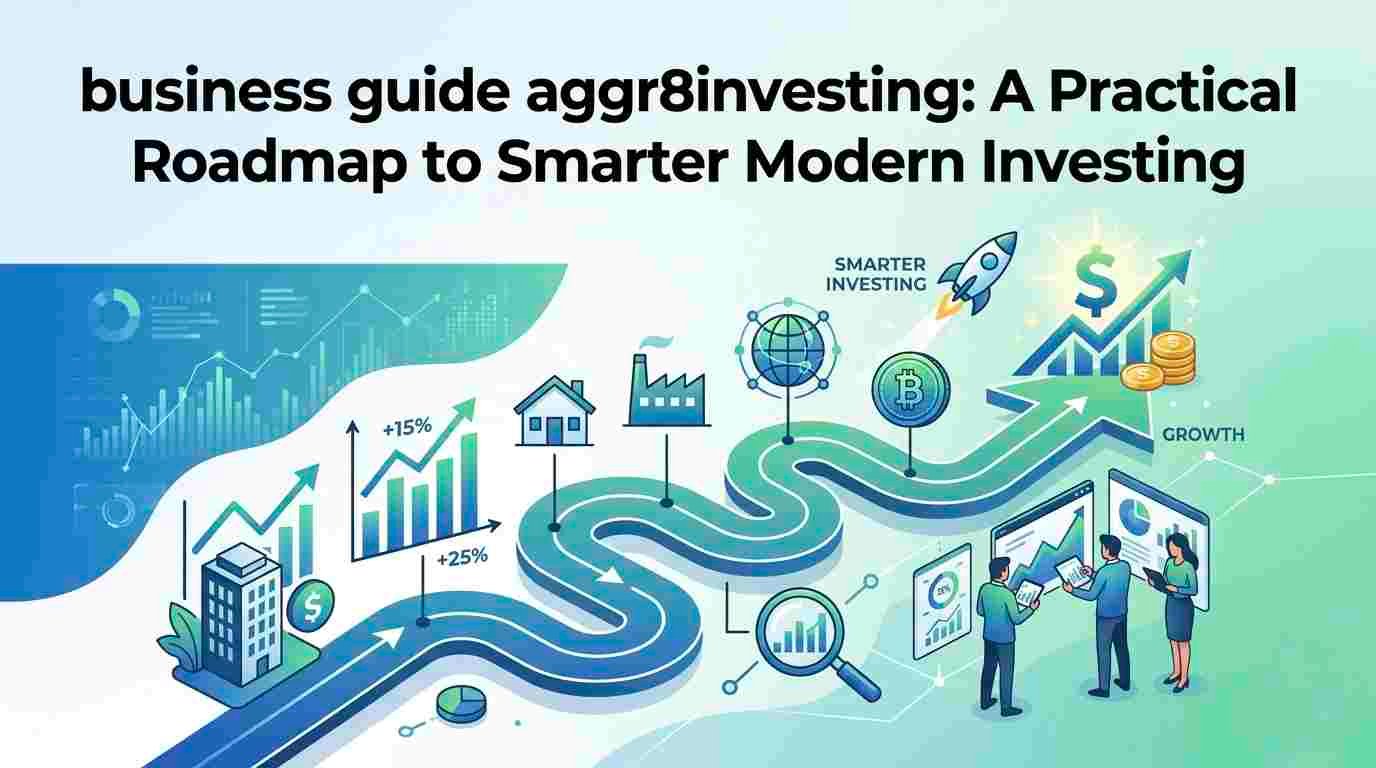
The world of digital finance is evolving fast, and new investors are constantly searching for clear, reliable direction. This is where a structured business guide aggr8investing approach becomes valuable. Whether you are a beginner exploring online investment platforms or an entrepreneur looking to diversify assets, having a practical framework helps you make confident financial decisions.
Modern investing is no longer limited to stockbrokers and traditional banks. Today’s landscape includes fintech tools, digital portfolios, data-driven strategies, and global market access. With the right guidance, individuals and businesses can turn opportunities into sustainable growth while managing risks wisely.
Understanding the Modern Investment Landscape
Investing today blends technology, analytics, and accessibility. Financial markets are more connected than ever, allowing investors to participate across borders using digital platforms and mobile apps.
Key elements shaping modern investing include:
- Online trading platforms with real-time market data
- AI-powered portfolio management tools
- Fractional investing for smaller budgets
- Cryptocurrency and digital asset options
- Automated risk assessment systems
These innovations make investing faster and more inclusive, but they also require informed decision-making. A structured business guide aggr8investing mindset helps investors evaluate opportunities rather than chasing trends blindly.
Smart Investing vs. Emotional Investing
Successful investors rely on strategy, not impulse. Emotional decisions often lead to panic selling or risky buying during market hype. Smart investing focuses on:
- Long-term financial goals
- Diversified portfolios
- Consistent performance tracking
- Data-backed decision making
By reducing emotional bias, investors protect their capital and improve returns over time.
Building a Strong Investment Foundation
Every successful investment journey starts with a solid foundation. Without preparation, even promising opportunities can turn into financial setbacks.
Important foundational steps include:
- Setting clear financial goals
- Understanding risk tolerance
- Creating an emergency fund
- Learning basic market principles
- Allocating assets strategically
A strong foundation ensures you invest with purpose instead of uncertainty. Many new investors underestimate how crucial planning is before entering markets.
Asset Allocation Strategies
Asset allocation balances risk and reward by distributing investments across categories such as:
- Equities for growth
- Bonds for stability
- Real estate for long-term value
- Digital assets for high-risk, high-reward potential
- Cash reserves for liquidity
Balanced allocation protects portfolios during market volatility and supports consistent returns.
Digital Tools Transforming Investment Decisions
Technology plays a major role in simplifying complex financial processes. Investors now have access to advanced tools that were once limited to large institutions.
Popular digital investment tools include:
- Portfolio tracking dashboards
- Robo-advisors for automated investing
- Financial planning calculators
- Market trend analytics platforms
- Risk profiling software
These tools help investors monitor performance, compare options, and make informed adjustments. Using a business guide aggr8investing framework ensures these tools support a strategy rather than replace critical thinking.
Data transparency and automation also reduce human error. Investors can analyze performance metrics, historical trends, and predictive insights within seconds, making financial management more efficient.
Risk Management and Sustainable Growth
Every investment carries risk, but smart strategies minimize potential losses. Sustainable growth comes from protecting capital while seeking returns.
Core risk management practices include:
- Diversification across sectors and asset types
- Setting stop-loss limits
- Reviewing portfolio performance regularly
- Avoiding overexposure to volatile assets
- Maintaining long-term perspective
Short-term market fluctuations are normal. Investors who react calmly and stay aligned with their strategy are more likely to achieve stable financial growth.
A disciplined approach, supported by a business guide aggr8investing structure, helps investors focus on consistency rather than speculation.
Long-Term Wealth Creation Strategies
True financial success is rarely instant. Long-term wealth building requires patience, discipline, and strategic reinvestment.
Proven wealth creation strategies include:
- Compounding returns through reinvestment
- Systematic investment plans
- Dividend income strategies
- Business and startup investments
- Retirement-focused portfolios
Investors who start early gain significant advantages through time and compound growth. Even small, consistent investments can grow into substantial wealth over decades.
Financial literacy also plays a critical role. Understanding economic cycles, inflation impact, and market behavior helps investors make smarter long-term choices.
A practical business guide aggr8investing plan encourages disciplined investing habits that support financial independence and future security.
FAQ’s about business guide aggr8investing
Q1. What is aggr8investing in simple terms?
- It refers to a structured approach to smart investing using modern tools, diversified strategies, and data-driven decisions.
Q2. Is digital investing safe for beginners?
- Yes, if investors use regulated platforms, diversify assets, and follow risk management principles.
Q3. How much money is needed to start investing?
- Many platforms allow small starting amounts through fractional investing and systematic plans.
Q4. What is the biggest mistake new investors make?
- Emotional decisions, lack of research, and chasing short-term trends without strategy.
Q5. How can investors reduce financial risk?
- By diversifying portfolios, setting limits, and focusing on long-term financial goals.
Conclusion:
Modern investing offers more opportunities than ever, but success depends on strategy and discipline. A clear plan helps investors navigate market complexity, reduce risks, and build sustainable wealth over time.
By combining financial literacy, digital tools, and structured planning, individuals and businesses can make smarter decisions with confidence. Following a practical framework ensures investments align with long-term goals instead of short-term noise.
A thoughtful approach today creates financial stability tomorrow.