

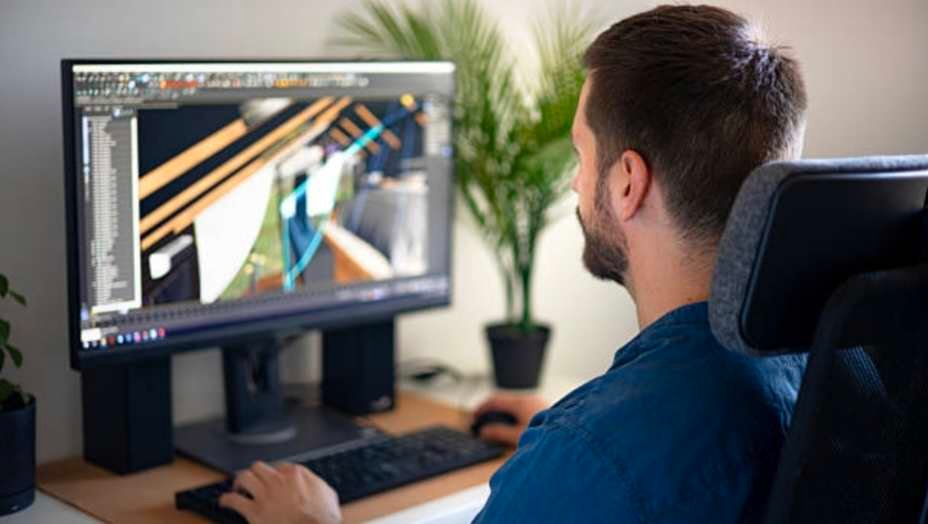
Introduction to Modern Image Editing
Image editing has evolved from simple adjustments to highly advanced processes powered by artificial intelligence. In the past, editing required technical expertise and hours of manual effort. Today, intelligent tools are making it possible to achieve professional-quality results in seconds.
As digital content becomes more important across industries, the demand for faster, smarter, and more efficient editing solutions continues to grow.
Understanding the Role of AI in Photo Editing
Artificial intelligence is changing the way images are processed by introducing automation into tasks that once required human judgment. These systems analyze patterns, detect objects, and apply enhancements based on data-driven decisions.
This allows users to focus more on creativity rather than technical complexity.
Why the AI Photo Editor Is Becoming a Standard Tool
The shift toward automation has made the AI photo editor an essential part of modern workflows. Instead of relying on traditional software that demands time and expertise, users now prefer tools that deliver instant results with minimal effort.
AI photo editors can recognize faces, adjust lighting conditions, remove unwanted elements, and enhance image quality automatically. This makes them highly valuable for individuals and businesses that need consistent visual output without investing excessive time.
Core Features That Define AI Editing Tools
Modern AI-based editors come equipped with powerful features that simplify even the most complex tasks.
- One-click image enhancement
- Automatic background removal
- Smart object recognition
- AI-driven filters and visual effects
- Advanced facial retouching
These features eliminate the need for manual adjustments, allowing users to achieve high-quality results quickly.
Advantages of Using AI in Image Editing
AI tools offer a range of benefits that go beyond convenience.
- Significant time savings compared to manual editing
- Consistent quality across multiple images
- Accessibility for users with no technical background
- Reduced dependency on expensive software
- Improved productivity for content creators
These advantages make AI editing tools an attractive option for a wide range of users.
How AI Enhances Image Quality with Precision
AI-powered systems analyze images at a granular level. They detect lighting imbalances, color inconsistencies, and sharpness issues, then apply corrections that appear natural rather than artificial.
This level of precision allows even low-quality images to be significantly improved without extensive manual intervention.
AI Photo Editing for Different Skill Levels
One of the most important aspects of AI tools is their versatility. Beginners can use them to create polished images without prior knowledge, while professionals can use them to streamline repetitive tasks.
This combination of simplicity and efficiency makes AI tools suitable for a wide audience.
Common Applications of AI Photo Editors
AI editing tools are widely used across various industries and purposes.
- Social media content creation
- E-commerce product photography
- Marketing and advertising campaigns
- Personal photo enhancement
- Creative design projects
Their adaptability makes them a valuable tool in modern digital workflows.
Choosing the Right AI Editing Tool
Selecting the right tool requires careful consideration of features, usability, and output quality. Not all AI tools are designed for the same purpose, so it is important to choose one that aligns with your needs.
For a deeper understanding of available options and how they compare, this detailed guide on AI photo editing tools provides valuable insights into selecting the most suitable platform.
AI vs Traditional Editing Methods
Traditional editing provides full control but requires significant time and expertise. AI editing, on the other hand, focuses on automation and efficiency.
While traditional methods are still relevant for complex projects, AI tools are quickly becoming the preferred choice for everyday editing tasks.
Limitations You Should Be Aware Of
- Despite their advantages, AI tools are not flawless.
- Limited customization for advanced edits
- Occasional inaccuracies in object detection
- Dependence on algorithm training
- Reduced creative flexibility in some cases
Understanding these limitations allows users to apply AI tools more effectively.
Future Trends in AI Image Editing
The future of AI in image editing is rapidly evolving. Tools are becoming more intelligent, capable of handling complex edits, and adapting to user preferences.
We can expect innovations such as real-time editing, fully automated workflows, and AI-generated visuals that closely resemble real images.
Final Thoughts on the Evolution of AI Editing
AI photo editing is not just improving efficiency—it is redefining how visual content is created. By combining automation with creativity, users can achieve results that were once difficult or time-consuming.
Adopting AI tools is no longer optional for those who want to stay competitive. It is becoming a necessary step in adapting to the future of digital content creation.