

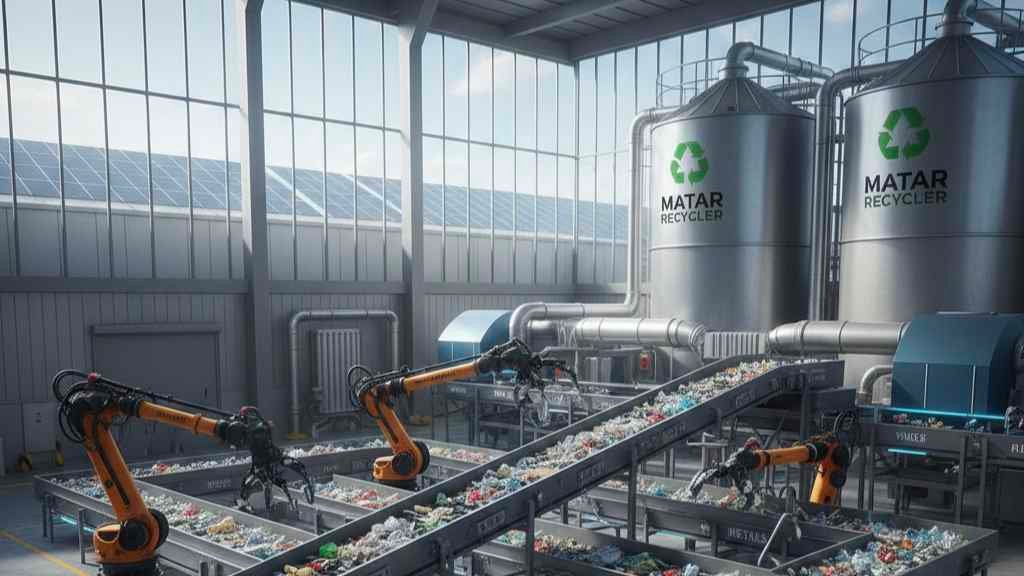
In 2026, sustainability is no longer a side conversation—it is a daily responsibility shaped by technology, community action, and smarter systems. Digital platforms are now playing a major role in helping individuals and businesses manage waste more responsibly. Among these innovations, Matarecycler has emerged as a modern solution that connects recycling awareness with real-world impact, making eco-friendly living more practical and measurable.
This article explores how this evolving concept is shaping recycling habits, supporting the circular economy, and aligning with global sustainability goals—while staying simple and accessible for everyday users.
The Growing Importance of Smart Recycling in 2026
The global waste challenge has intensified due to urbanization, e-commerce growth, and increased consumption. Traditional recycling systems often fail due to poor tracking, lack of incentives, and low public engagement. Smart recycling platforms now bridge this gap by combining data, education, and convenience.
Governments and private organizations are focusing on waste reduction strategies, resource recovery, and carbon footprint management. Digital recycling tools support these efforts by encouraging responsible disposal, improving material recovery rates, and promoting sustainable habits at the household level.
Why digital recycling solutions matter today
Smart systems help users understand what can be recycled, where to recycle it, and how their actions contribute to environmental protection. They also support zero-waste initiatives and align with ESG goals for businesses.
How the Platform Works in Real Life
At its core, Matarecycler is designed to simplify recycling through technology-driven processes. Users interact with an intuitive system that tracks recyclable materials, provides guidance, and rewards responsible behavior.
The platform integrates data analytics, location-based services, and sustainability insights to improve participation. Instead of guessing what happens after waste leaves your home, users gain visibility into the recycling journey.
Key features that enhance usability
From material identification support to progress dashboards, these features make recycling more engaging. Users can see how much waste they divert from landfills and how their actions support environmental conservation.
Environmental and Community Benefits
The true value of Matarecycler lies in its ability to connect individual actions with collective impact. By encouraging consistent recycling behavior, it helps reduce landfill pressure and conserve natural resources.
Communities benefit from cleaner environments, improved waste management efficiency, and greater environmental awareness. The platform also supports circular economy principles by ensuring materials are reused rather than discarded.
Supporting a circular economy mindset
Recycling is no longer just about disposal—it’s about reuse, recovery, and regeneration. Digital platforms encourage users to think differently about waste as a valuable resource.
Technology, Data, and Transparency
Modern sustainability solutions rely heavily on data accuracy and transparency. In 2026, users expect clear insights into their environmental impact, and platforms like Matarecycler respond to this demand with real-time tracking and reporting.
Data-driven recycling systems help municipalities optimize collection routes, reduce operational costs, and improve recycling rates. For users, transparency builds trust and motivates long-term participation.
The role of AI and smart analytics
Artificial intelligence helps predict waste patterns, improve sorting accuracy, and recommend better recycling practices. These innovations make systems more efficient and adaptable.
Future Trends in Recycling Platforms

The future of recycling is closely tied to digital transformation and behavioral science. As sustainability becomes a lifestyle choice, platforms like Matarecycler are expected to evolve with gamification, stronger community integration, and cross-industry partnerships.
Integration with smart homes, eco-friendly brands, and carbon offset programs will further expand their impact. Education will remain a central focus, empowering users to make informed environmental decisions.
What users can expect next
Expect more personalization, improved reward systems, and deeper collaboration with local recycling networks. The goal is to make sustainable living effortless and rewarding.
FAQ’s about Matarecycler.
- What is smart recycling?
Smart recycling uses technology and data to improve how waste is sorted, tracked, and reused. - How does digital recycling help the environment?
It increases recycling accuracy, reduces landfill waste, and supports resource conservation. - Is smart recycling suitable for households?
Yes, modern platforms are designed for both individual users and larger organizations. - Does recycling technology support sustainability goals?
Absolutely. It aligns with global efforts to reduce emissions and promote circular economies.
Conclusion:
Sustainable living in 2026 depends on practical tools that turn good intentions into consistent action. Matarecycler represents a shift toward smarter, more transparent recycling that empowers individuals while supporting global environmental goals. By combining technology, community engagement, and data-driven insights, it transforms recycling from a routine task into a meaningful contribution to a cleaner, more resilient future.