

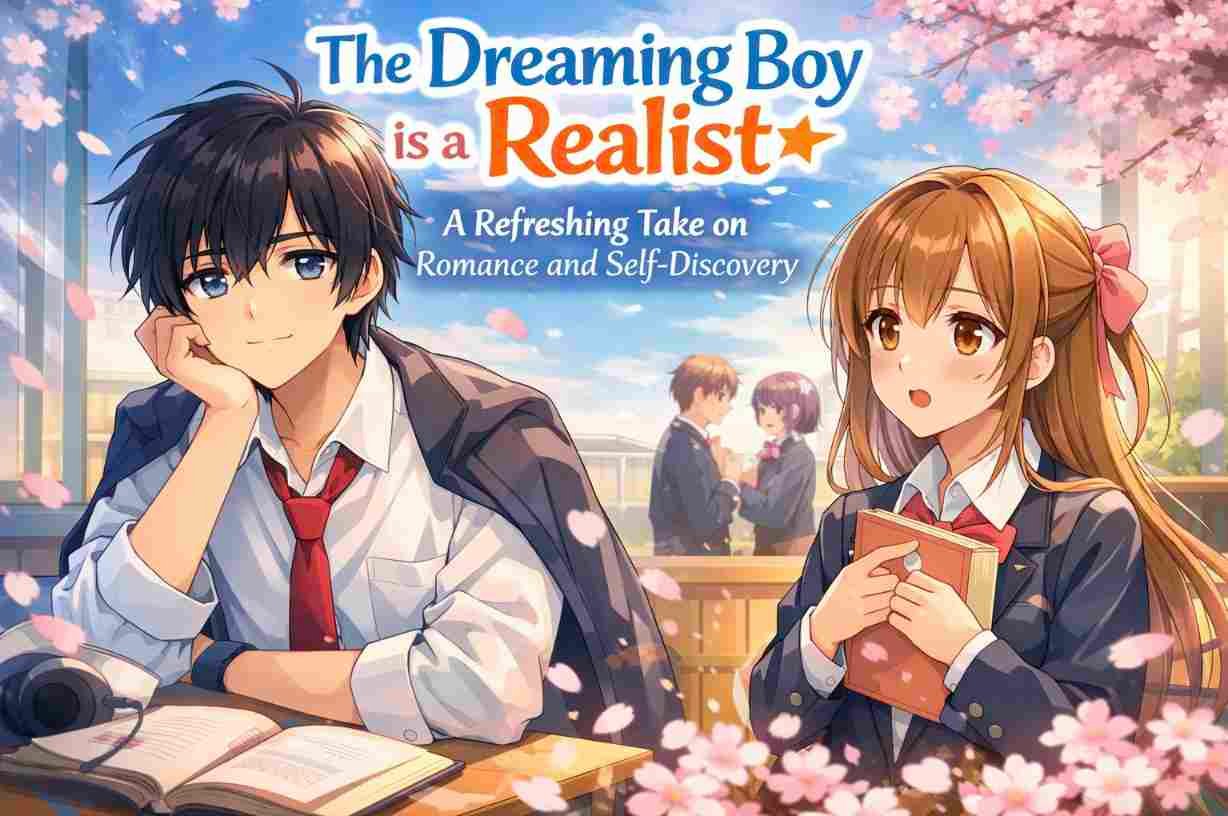
In the ever-evolving world of Japanese storytelling, the dreaming boy is a realist manga has carved out a unique space for itself. Unlike many high school romance series that rely heavily on dramatic confessions and exaggerated misunderstandings, this story offers a grounded and emotionally mature perspective. With relatable characters, subtle character development, and an introspective tone, it appeals to readers who appreciate slice-of-life narratives blended with realistic growth.
This manga stands out for its honest portrayal of teenage emotions, shifting dynamics, and personal boundaries. Let’s explore why it has become a favorite among modern romance manga fans.
Overview of The Series and Its Core Theme
Originally written by Okemaru and illustrated by Popuri Yoshikita, the story follows Wataru Sajou and Aika Natsukawa, two high school students navigating complicated feelings. Unlike traditional romantic comedies, the narrative begins at a turning point rather than the start of a crush.
Wataru, who once openly admired Aika, suddenly distances himself after realizing he may have been pushing his feelings too aggressively. This shift forms the emotional backbone of the series.
Realism Over Fantasy
Instead of dramatic love triangles or exaggerated tropes, the manga explores themes like emotional maturity, self-awareness, and personal growth. Readers witness how stepping back can sometimes create more emotional clarity than chasing someone relentlessly.
The realism in character reactions, social interactions, and inner monologues makes the story feel authentic rather than scripted.
Character Development and Emotional Growth
One of the strongest aspects of the dreaming boy is a realist manga is its layered character development. Wataru’s transformation from an overly persistent admirer to a more thoughtful and self-respecting individual feels organic.
Aika, on the other hand, begins to reflect on her own feelings only after Wataru pulls away. This reversal creates a subtle tension that drives the narrative forward.
Wataru Sajou’s Internal Conflict
Wataru’s emotional journey is deeply relatable. He questions his self-worth, evaluates his actions, and learns to respect boundaries. His development highlights themes such as:
- Teenage self-reflection
- Emotional intelligence
- Personal space in relationships
- Moving on vs. holding on
This internal conflict adds psychological depth rarely explored so calmly in high school romance manga.
Art Style and Storytelling Approach

Visually, the artwork complements the narrative tone. The character expressions are soft yet expressive, emphasizing subtle emotions rather than dramatic exaggerations. Backgrounds are simple but effective, keeping the focus on dialogue and interactions.
The pacing is steady and thoughtful. Instead of rushing toward a confession or forced climax, the manga allows emotions to breathe. Dialogue feels natural, reflecting realistic high school conversations rather than over-the-top comedy.
This approach makes the reading experience calm yet emotionally engaging.
Themes That Resonate With Modern Readers
the dreaming boy is a realist manga resonates strongly with readers who value emotional realism. It addresses common teenage experiences such as:
- Unrequited love
- Changing friendships
- Social perception
- Personal growth after rejection
- Emotional boundaries
In today’s era, where self-awareness and mental well-being are frequently discussed, this story aligns with contemporary values. It shows that love isn’t just about confession scenes; sometimes, it’s about learning to step back and grow independently.
The manga also touches on peer dynamics, classroom relationships, and subtle jealousy without turning them into exaggerated conflicts. This grounded storytelling is what makes it memorable.
Comparison With Other Romance Manga
When compared to popular high school romance titles like Kimi ni Todoke or Ao Haru Ride, this series feels more introspective. While those stories focus heavily on emotional misunderstandings and dramatic turning points, this one leans toward quiet realism.
It avoids heavy melodrama and instead focuses on emotional consequences. The romantic tension builds not through grand gestures, but through silence, distance, and subtle changes in behavior.
This different approach makes it appealing to readers who prefer thoughtful storytelling over fast-paced romantic drama.
Why It Appeals to a Wider Audience
Although it is set in high school, the themes are universal. Many adult readers connect with Wataru’s realization that sometimes chasing someone too intensely can push them away.
The manga subtly teaches lessons about:
- Respecting emotional boundaries
- Self-improvement after rejection
- The importance of communication
- Understanding one’s own feelings
Because of this, the story does not feel limited to teenage audiences. Its psychological depth and emotional honesty make it relatable to a broader demographic.
Frequently Asked Questions (FAQ)
What genre does the series belong to?
It falls under romance, slice-of-life, and school drama with strong elements of emotional realism.
Is the story focused more on comedy or drama?
While it contains light humor, the primary focus is emotional growth and realistic relationship dynamics.
Does the manga follow typical romance tropes?
It deliberately avoids exaggerated romantic clichés and instead presents grounded character development.
Is it suitable for mature readers?
Yes. Although set in high school, its themes of self-reflection and emotional maturity resonate with older readers as well.
What makes it different from other school romance manga?
Its emphasis on stepping back, emotional awareness, and subtle storytelling distinguishes it from more dramatic romance series.
Conclusion
In a genre often filled with dramatic confessions and exaggerated misunderstandings, the dreaming boy is a realist manga offers something refreshingly sincere. Its focus on emotional maturity, personal boundaries, and self-growth creates a deeply relatable reading experience.
Rather than presenting love as a race toward confession, it portrays it as a journey of self-discovery. The calm pacing, authentic dialogue, and meaningful character development make this series stand out in modern romance manga.
For readers searching for a heartfelt yet realistic high school story, this manga provides a thoughtful and emotionally intelligent alternative that lingers long after the final page.