

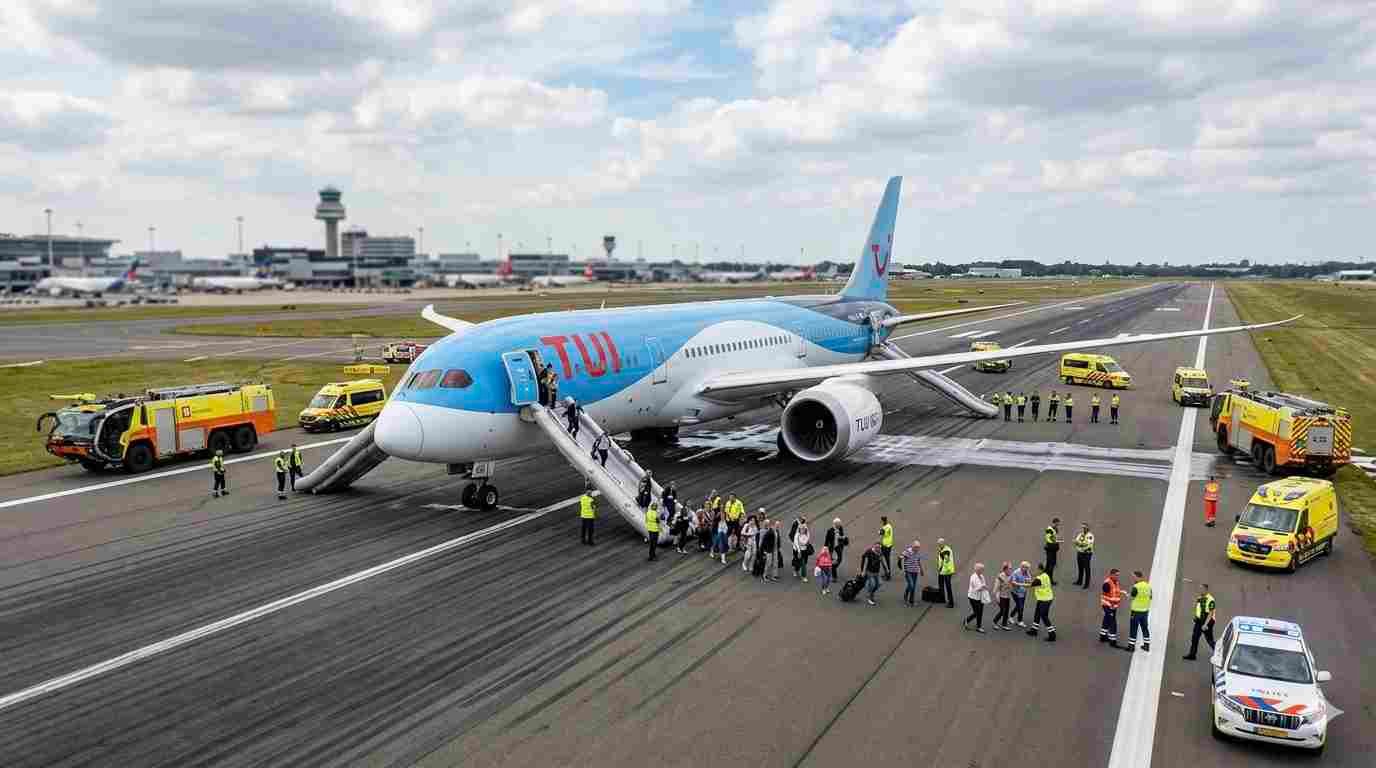
Air travel is one of the safest modes of transportation, yet occasional in-flight incidents can still occur. The tui flight by6754 emergency landing recently drew attention from travelers and aviation observers alike. While emergency landings may sound alarming, they are often precautionary measures taken to ensure passenger safety.
In this article, we break down the details surrounding the incident, explore possible causes, explain standard aviation procedures, and discuss what this means for travelers flying with TUI Airways in 2026.
Overview of the Incident
The tui flight by6754 emergency landing involved a scheduled commercial service operated by TUI Airways. According to early aviation reports and passenger accounts, the aircraft declared a precautionary emergency mid-flight and diverted to a nearby airport.
Emergency landings are categorized into different types:
- Precautionary landings
- Technical emergency landings
- Medical emergency diversions
- Weather-related diversions
In this case, aviation tracking sources indicated that the crew followed standard safety protocols, and the aircraft landed safely without injuries reported among passengers or crew.
Passengers described the experience as calm but understandably tense. Cabin crew reportedly maintained clear communication, reassuring travelers throughout the descent and landing process.
Possible Causes Behind the Emergency Landing
While airlines often conduct internal investigations before releasing detailed statements, several common factors can lead to such diversions.
Technical or Mechanical Concerns
Aircraft are equipped with advanced monitoring systems that detect irregularities in engines, hydraulics, pressurization, or avionics. Even minor warning indicators can prompt pilots to initiate an emergency landing out of an abundance of caution.
Modern commercial aircraft are built with redundant systems, meaning backup components are always available. However, safety regulations require pilots to act immediately if certain alerts appear in the cockpit.
Medical or Onboard Situations
Another common reason for emergency diversions is a passenger medical emergency. Sudden health complications such as cardiac issues or severe allergic reactions may require immediate landing at the nearest suitable airport.
While the exact technical reason behind the tui flight by6754 emergency landing may vary, experts emphasize that emergency landings often reflect proactive safety decisions rather than catastrophic failures.
How Airlines Handle Emergency Situations
Airlines like TUI Group operate under strict European and international aviation safety regulations. Pilots undergo continuous simulator training to handle engine failures, cabin depressurization, fire warnings, and other rare scenarios.
When a pilot declares an emergency:
- Air traffic control provides priority landing clearance.
- Emergency services are placed on standby.
- Cabin crew prepare passengers for landing.
- The aircraft lands following a controlled descent procedure.
In the case of the tui flight by6754 emergency landing, aviation authorities reportedly coordinated smoothly with ground emergency teams. Such coordination is routine in precautionary situations and does not necessarily indicate severe danger.
Passengers are often accommodated on alternative flights or provided assistance with onward travel plans. Airlines also conduct thorough inspections before returning the aircraft to service.
Passenger Experience and Safety Measures
One key takeaway from the tui flight by6754 emergency landing is how crucial crew communication is during high-stress moments. Travelers often report that calm announcements and visible professionalism from flight attendants significantly reduce panic.
What Passengers Should Do During an Emergency
If you ever find yourself in a similar situation:
- Listen carefully to crew instructions.
- Review the safety card in your seat pocket.
- Stay seated with your seatbelt fastened.
- Avoid spreading unverified information.
Commercial aviation safety standards across Europe remain among the highest globally. Airlines regularly inspect aircraft, and regulatory bodies conduct audits to ensure compliance.
The incident also highlights the importance of routine aircraft maintenance, pilot training programs, and strict pre-flight checks that minimize risk.
Impact on TUI Airways and Future Operations
Whenever an emergency landing occurs, even if precautionary, it can temporarily impact flight schedules and public perception. However, transparency and effective crisis management often strengthen passenger trust in the long term.
Industry analysts suggest that the tui flight by6754 emergency landing is unlikely to have significant operational impact. Aviation incidents of this nature are investigated thoroughly, and corrective measures—if required—are implemented quickly.
TUI Airways continues to operate an extensive network of leisure destinations across Europe and beyond. As part of the broader tourism group, the airline prioritizes:
- Aircraft fleet modernization
- Enhanced safety compliance
- Customer service improvements
- Real-time flight monitoring systems
Travelers planning holidays in 2026 should feel reassured that emergency diversions are part of aviation’s layered safety system, not a sign of systemic failure.
Frequently Asked Questions (FAQ)
Q. What caused the tui flight by6754 emergency landing?
- The exact cause depends on official investigation results, but such landings are commonly triggered by technical alerts or medical situations.
Q. Was anyone injured during the incident?
- Reports indicate that the aircraft landed safely without passenger injuries.
Q. Are emergency landings dangerous?
- They can be stressful, but most are precautionary and handled professionally with established safety procedures.
Q. Will this affect future TUI flights?
- Typically, one isolated diversion does not significantly impact an airline’s overall operations.
Q. How common are emergency landings?
- They are rare compared to total daily global flights, and most result in safe outcomes.
Conclusion:
The recent tui flight by6754 emergency landing serves as a reminder that aviation safety systems are designed to respond proactively to potential risks. While headlines may create concern, emergency landings are often precautionary decisions made by trained professionals prioritizing passenger wellbeing.
With strict regulations, experienced flight crews, and advanced aircraft technology, airlines continue to maintain high safety standards. For travelers, understanding how these procedures work can replace fear with informed confidence. Air travel remains one of the safest ways to explore the world, and incidents like this demonstrate that the system works exactly as it should when safety comes first.